
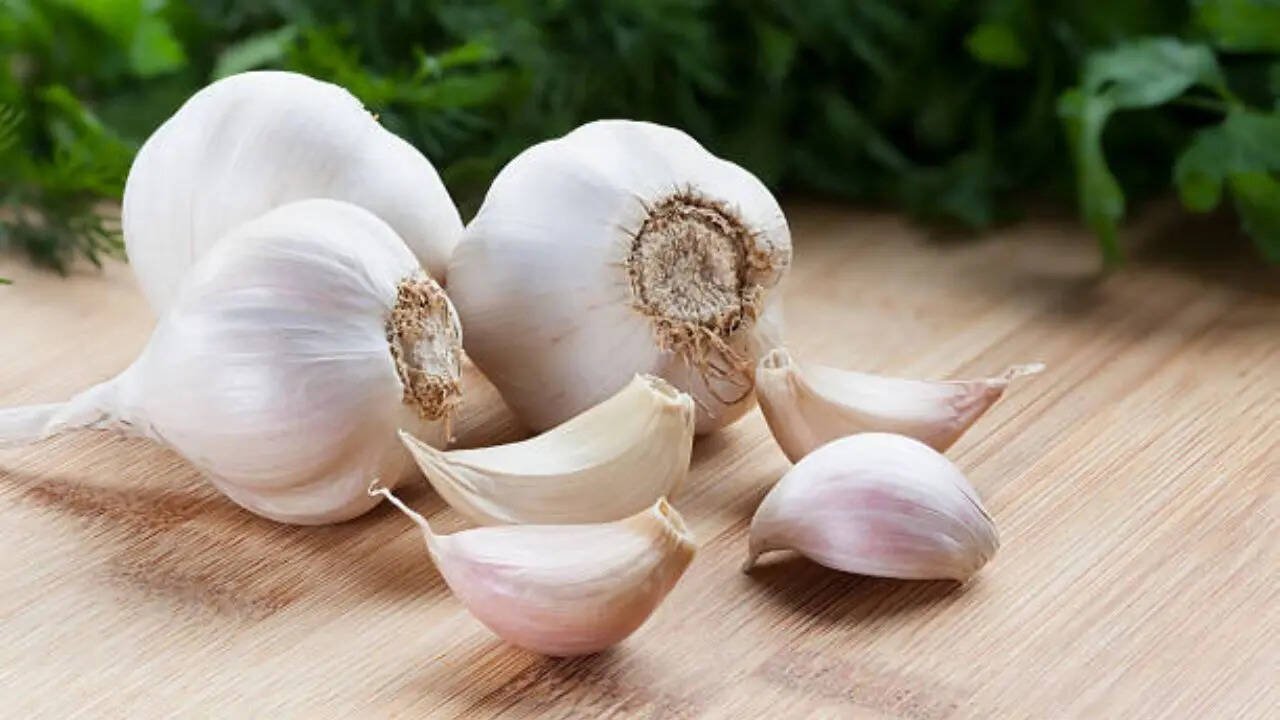
Introduction to Garlic and Its Historical Significance
Garlic isn’t just that strong-smelling ingredient you try to balance in your pasta—it’s one of the most powerful natural remedies humans have relied on for thousands of years. If you think about it, very few foods have managed to stay relevant across so many cultures, diets, and eras. From ancient medicine cabinets to modern kitchens, garlic has earned its place as a true superfood. But what exactly makes it so special? And why do people still swear by it today?
At its core, garlic is more than just a flavor enhancer. It’s packed with compounds that actively support your body in ways that go far beyond basic nutrition. Whether you're trying to boost your immune system, improve your heart health, or simply feel more energized, garlic quietly does a lot of heavy lifting behind the scenes. The best part? It’s affordable, accessible, and incredibly easy to include in your daily meals.
Garlic in Ancient Civilizations
Long before modern science stepped in to explain garlic’s benefits, ancient civilizations were already using it as a form of medicine. The Egyptians, for example, fed garlic to laborers building the pyramids to increase strength and endurance. Greek athletes consumed it before competitions, believing it enhanced performance. Even ancient Chinese and Indian healing systems recognized garlic as a powerful remedy for various ailments.
What’s fascinating is how consistent its use has been across cultures. Despite geographical differences, people independently discovered garlic’s healing properties. That kind of global agreement doesn’t happen by accident. It tells us that garlic’s effects are not just folklore—they’re rooted in real, observable results that people experienced over generations.
Why Garlic Remains Popular Today
Fast forward to today, and garlic hasn’t lost its charm—it’s actually more popular than ever. With the rise of natural health trends and a growing interest in food as medicine, garlic fits perfectly into modern lifestyles. People are actively looking for ways to stay healthy without relying solely on synthetic supplements, and garlic offers a natural, science-backed alternative.
Another reason for its popularity is its versatility. You can roast it, crush it, sauté it, or even eat it raw if you’re brave enough. It blends into countless recipes while still delivering its health benefits. Plus, with ongoing research confirming its effectiveness, garlic has successfully transitioned from traditional remedy to scientifically validated superfood.
Nutritional Profile of Garlic
When you look at garlic, it might not seem like much—just a small bulb with a strong smell. But don’t let its size fool you. Garlic is incredibly nutrient-dense, meaning it packs a lot of beneficial compounds into a very small serving. This is one of the reasons it’s often referred to as a “functional food”—it doesn’t just feed you; it actively supports your health.
What makes garlic stand out is the combination of vitamins, minerals, and unique bioactive compounds working together. Unlike many foods that offer isolated benefits, garlic provides a wide range of nutrients that interact synergistically, amplifying their overall impact on your body.
Key Vitamins and Minerals in Garlic
Garlic contains essential nutrients like vitamin C, vitamin B6, manganese, and selenium. While the amounts may seem small per clove, they add up over time, especially if you use garlic regularly in your cooking. Vitamin C supports your immune system, while vitamin B6 plays a role in brain function and metabolism.
Manganese is particularly important for bone health and antioxidant defense, and selenium contributes to thyroid function and protection against oxidative stress. It’s like a compact health booster hidden inside your kitchen.
Here’s a quick breakdown:
| Nutrient | Benefit |
|---|---|
| Vitamin C | Immune support |
| Vitamin B6 | Brain health |
| Manganese | Bone strength |
| Selenium | Antioxidant protection |
Active Compounds and Their Roles
The real magic of garlic lies in its active compounds, especially allicin. This compound is released when garlic is crushed or chopped, and it’s responsible for both the strong smell and many of the health benefits. Allicin has antibacterial, antiviral, and antifungal properties, making garlic a natural defense mechanism against infections.
In addition to allicin, garlic contains sulfur compounds that contribute to its anti-inflammatory and detoxifying effects. These compounds help your body combat harmful invaders while also supporting internal systems like the liver and cardiovascular network.
Immune System Boosting Benefits
If there’s one reason people turn to garlic more than any other, it’s for its immune-boosting power. Think of garlic as a natural shield that helps your body fight off infections before they take hold. Instead of just reacting to illness, garlic helps strengthen your defenses proactively.
How Garlic Fights Infections
Garlic works by enhancing the activity of immune cells, making them more effective at identifying and destroying harmful pathogens. Its antimicrobial properties mean it can directly inhibit the growth of bacteria, viruses, and even certain fungi. That’s why garlic has been used traditionally to combat colds and infections.
When you consume garlic regularly, you’re essentially giving your immune system better tools to do its job. It’s like upgrading your body’s security system—everything becomes more efficient and responsive.
Scientific Evidence Supporting Immunity
Modern research backs up what traditional medicine has known for centuries. Studies have shown that people who consume garlic supplements or fresh garlic regularly tend to experience fewer colds and recover faster when they do get sick. One study found that garlic supplementation reduced the frequency of colds by up to 63%.
That’s a significant number, especially when you consider how common seasonal illnesses are. It highlights how something as simple as adding garlic to your diet can make a noticeable difference in your overall health.
Heart Health and Cardiovascular Benefits
Your heart works non-stop, so it makes sense to give it all the support it can get. Garlic has been widely studied for its cardiovascular benefits, and the results are impressive. It doesn’t just target one aspect of heart health—it improves multiple factors simultaneously.
Garlic and Blood Pressure Control
High blood pressure is a major risk factor for heart disease, and garlic has been shown to help lower it naturally. The sulfur compounds in garlic help relax blood vessels, improving blood flow and reducing pressure on the arterial walls.
Some studies suggest that garlic can be as effective as certain medications in reducing blood pressure levels, especially when consumed consistently. That’s a powerful statement for something you can easily add to your meals.
Cholesterol Reduction and Circulation
Garlic also plays a role in reducing LDL (bad cholesterol) while supporting HDL (good cholesterol) levels. This balance is crucial for preventing plaque buildup in arteries, which can lead to serious conditions like heart attacks or strokes.
Better circulation is another benefit. Garlic helps keep your blood flowing smoothly, ensuring oxygen and nutrients reach every part of your body efficiently. It’s like clearing traffic on a busy highway—everything moves more freely and effectively.
Garlic’s Role in Detoxification
Garlic doesn’t just work on the surface level of your health—it goes deeper, helping your body cleanse itself from within. Every day, your body is exposed to toxins, whether from processed foods, pollution, or even stress-related byproducts. While your body already has built-in detox systems, garlic acts like a powerful assistant, making those systems more efficient and effective.
One of the reasons garlic is so impactful in detoxification is because of its sulfur-containing compounds. These compounds play a key role in activating enzymes responsible for flushing out toxins. Think of it like turning on a more powerful filtration system in your body. Instead of toxins lingering and causing damage, garlic helps speed up their removal, reducing the burden on your organs.
Removing Toxins from the Body
Garlic has been studied for its ability to help reduce levels of heavy metals in the body, such as lead. In one notable study, workers exposed to high levels of lead experienced a significant reduction in toxicity symptoms after consuming garlic. That’s not just a minor benefit—it shows garlic can actively protect your body in high-risk environments.
What makes garlic especially interesting is that it doesn’t just neutralize toxins—it also supports the pathways your body uses to eliminate them. This includes improving kidney function and supporting blood purification processes. So instead of acting like a temporary fix, garlic contributes to long-term detox health.
You can think of garlic as a natural “cleanup crew” that works quietly in the background. It doesn’t make flashy promises, but over time, its consistent support can lead to noticeable improvements in how you feel—more energy, clearer skin, and better overall vitality.
Liver Support and Function
Your liver is the main detox organ in your body, and garlic gives it a serious boost. The sulfur compounds in garlic help activate liver enzymes that are responsible for breaking down toxins. This makes the liver’s job easier and more efficient, especially when dealing with processed foods or environmental pollutants.
Garlic also contains selenium, which is known to enhance liver function and provide antioxidant protection. This combination helps reduce oxidative stress in the liver, preventing damage and supporting regeneration. It’s like giving your liver both a shield and a repair kit at the same time.
Another underrated benefit is garlic’s ability to reduce fat accumulation in the liver. With conditions like fatty liver disease becoming more common, incorporating garlic into your diet can be a simple yet effective preventive step. Instead of waiting for problems to arise, garlic helps keep your liver functioning optimally from the start.
Anti-Inflammatory and Antioxidant Properties
Inflammation is a natural response in your body, but when it becomes chronic, it can lead to serious health issues like heart disease, diabetes, and even certain cancers. Garlic steps in as a natural anti-inflammatory agent, helping to calm down these processes before they spiral out of control.
What’s fascinating about garlic is that it doesn’t just target one pathway—it works on multiple levels. Its compounds interact with inflammatory markers in the body, reducing their activity and helping restore balance. It’s like turning down the volume on a system that’s been stuck on high for too long.
Reducing Chronic Inflammation
Chronic inflammation often goes unnoticed because it doesn’t always come with obvious symptoms. You might just feel tired, sluggish, or slightly off. Garlic helps address this hidden issue by reducing inflammatory markers in the bloodstream.
Studies have shown that regular garlic consumption can significantly lower inflammation-related indicators. This is especially beneficial for people dealing with conditions like arthritis or metabolic disorders. Instead of relying solely on medications, garlic offers a natural way to manage inflammation over time.
Another advantage is that garlic doesn’t suppress your immune system like some anti-inflammatory drugs can. Instead, it supports balance—reducing harmful inflammation while still allowing your body to defend itself properly.
Fighting Free Radicals
Free radicals are unstable molecules that damage your cells and accelerate aging. Garlic is rich in antioxidants, which neutralize these harmful molecules before they can cause damage. Think of antioxidants as bodyguards protecting your cells from constant attack.
One of the key benefits here is slowing down the aging process—not just externally, but internally as well. This includes protecting your organs, maintaining brain health, and reducing the risk of chronic diseases.
Garlic’s antioxidant properties also support skin health. By reducing oxidative stress, it helps maintain a clearer, more youthful appearance over time. While it’s not a miracle cure, it definitely contributes to healthier skin from the inside out.
Garlic and Digestive Health
Your digestive system is more than just a food-processing unit—it’s closely tied to your immune system, energy levels, and even your mood. Garlic plays a surprisingly important role in keeping your gut healthy and functioning properly.
Unlike harsh digestive aids, garlic works gently but effectively. It supports the balance of good bacteria in your gut while helping eliminate harmful microorganisms. This creates an environment where your digestive system can thrive.
Supporting Gut Microbiome
Garlic acts as a prebiotic, meaning it feeds the beneficial bacteria in your gut. These bacteria are essential for breaking down food, producing vitamins, and maintaining a strong immune system. When your gut microbiome is balanced, everything from digestion to mental clarity improves.
What’s interesting is that garlic doesn’t just add good bacteria—it helps create the right conditions for them to grow. It’s like preparing fertile soil so healthy plants can flourish. Over time, this leads to a more resilient and efficient digestive system.
A healthy gut microbiome has also been linked to better mood and reduced anxiety. So in a way, garlic doesn’t just help your stomach—it can also positively influence how you feel mentally.
Preventing Digestive Issues
Garlic has natural antimicrobial properties that help prevent common digestive problems like bloating, gas, and infections. It can inhibit the growth of harmful bacteria such as H. pylori, which is associated with stomach ulcers.
At the same time, garlic stimulates the production of digestive enzymes, making it easier for your body to break down food. This means fewer issues like indigestion or discomfort after meals.
However, it’s worth noting that too much raw garlic can sometimes irritate the stomach, especially for sensitive individuals. The key is balance—using garlic regularly but not excessively.
Conclusion
Garlic proves that powerful health benefits don’t always come in fancy packages. This small, pungent bulb has stood the test of time, offering a wide range of benefits that modern science continues to validate. From boosting immunity and supporting heart health to aiding detoxification and improving digestion, garlic works on multiple levels to keep your body functioning at its best.
What makes garlic truly unique is its ability to fit seamlessly into everyday life. You don’t need expensive supplements or complicated routines—just a few cloves added to your meals can make a meaningful difference over time. It’s simple, effective, and backed by both tradition and research.
When you think about long-term health, consistency matters more than anything else. Garlic isn’t a quick fix, but it’s a reliable ally. By incorporating it into your daily diet, you’re making a small choice that can lead to significant benefits down the road.
FAQs
1. Is it better to eat garlic raw or cooked?
Raw garlic contains higher levels of allicin, which provides many of its health benefits. However, cooked garlic still retains many beneficial compounds and is easier on the stomach.
2. How much garlic should I eat daily?
Most studies suggest that 1–2 cloves per day is enough to experience health benefits without causing digestive discomfort.
3. Can garlic help with colds and flu?
Yes, garlic’s antimicrobial and immune-boosting properties can help reduce the severity and duration of colds and flu.
4. Are there any side effects of consuming garlic?
Excessive garlic consumption may cause bad breath, body odor, or digestive irritation in some people. Moderation is key.
5. Can garlic interact with medications?
Yes, garlic can interact with blood-thinning medications and certain drugs. It’s always best to consult a healthcare professional if you’re unsure.
0 Comments