
If you have spent any time scrolling through wellness blogs, you have probably run into a dozen different articles claiming to cover the "benefits of cinnamon." Most of them read like they were spun out of a recipe blog at 2 AM. As someone who has been writing health and lifestyle content for over a decade, I wanted to put together something different — a deep, research-backed, no-fluff breakdown of the real benefits of cinnamon, how to actually use it, and what the science says (and doesn't say) about this humble spice.
Cinnamon isn't just a warm, cozy flavor you sprinkle on your oatmeal or pumpkin spice latte. It's one of the oldest spices in recorded history, and modern research is finally catching up to what traditional medicine systems like Ayurveda and Traditional Chinese Medicine have claimed for centuries. In this article, we'll walk through the benefits of cinnamon for blood sugar, heart health, brain function, skin, weight management, and more — along with practical tips on how to add it to your daily routine.
What Makes Cinnamon So Special?
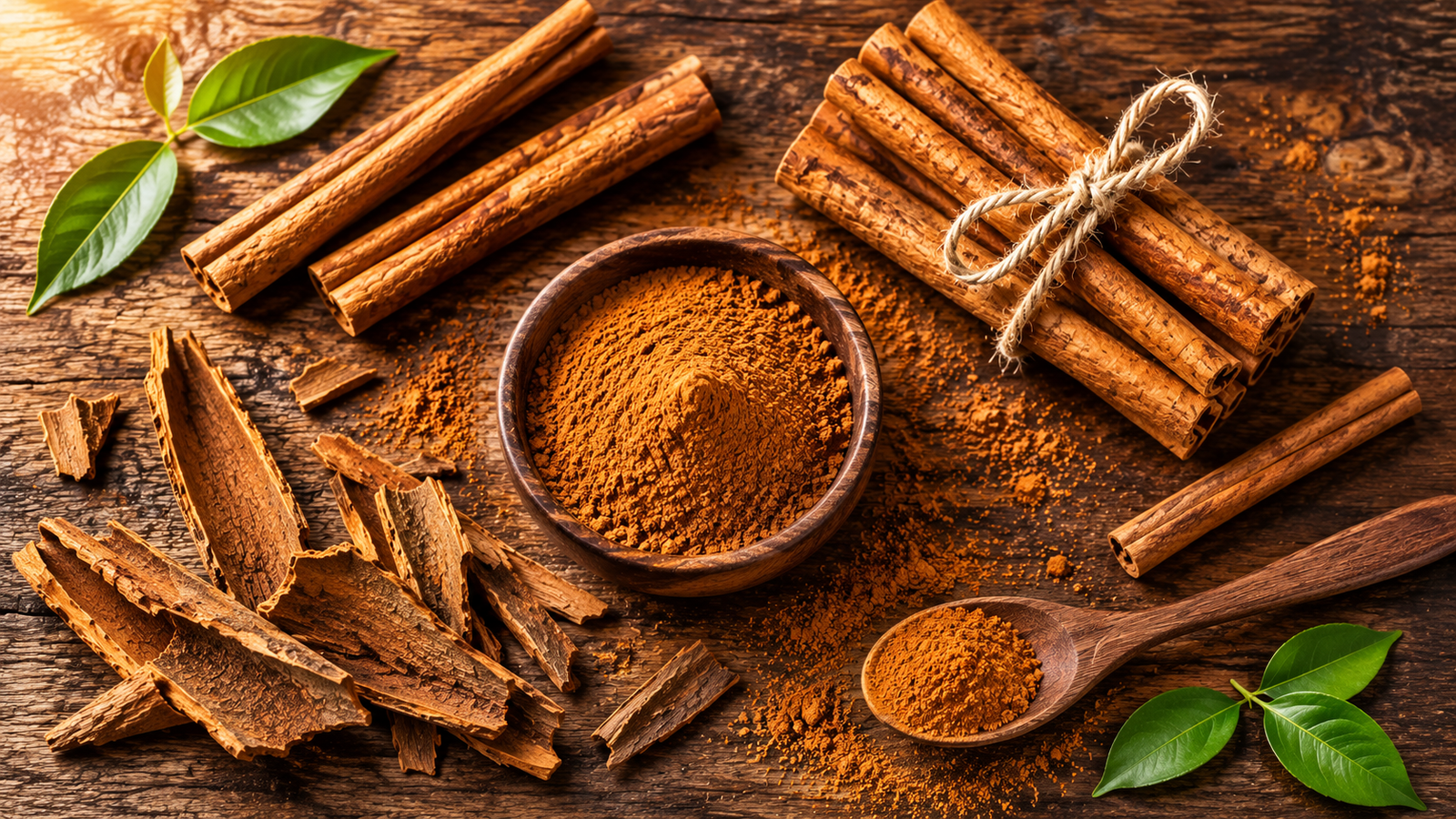
Before we dive into the benefits of cinnamon, it helps to understand what's actually inside this spice. Cinnamon comes from the inner bark of trees belonging to the Cinnamomum genus. There are two main types you'll find on store shelves: Ceylon cinnamon (often called "true cinnamon") and Cassia cinnamon, which is the more common, cheaper variety sold in most supermarkets.
The compound responsible for most of the benefits of cinnamon is called cinnamaldehyde, along with other antioxidant-rich polyphenols. These compounds are what give cinnamon its distinctive smell, taste, and — more importantly — its therapeutic properties. Ceylon cinnamon generally contains lower levels of coumarin (a compound that can be harmful in large doses), which is why many health experts recommend it over Cassia for daily, long-term use.
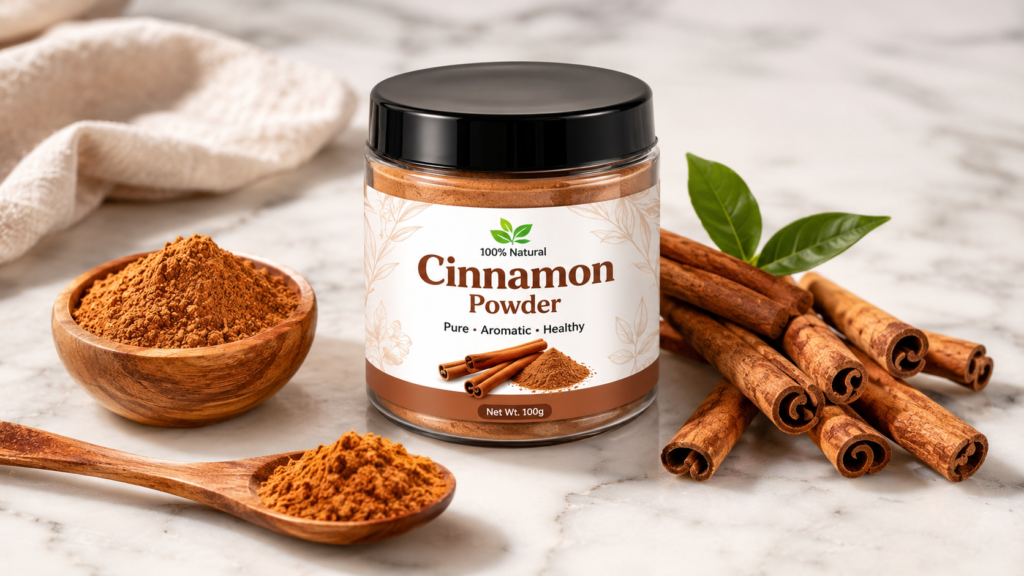
Shop our top-rated organic Ceylon cinnamon powder
Benefits of Cinnamon for Blood Sugar Control
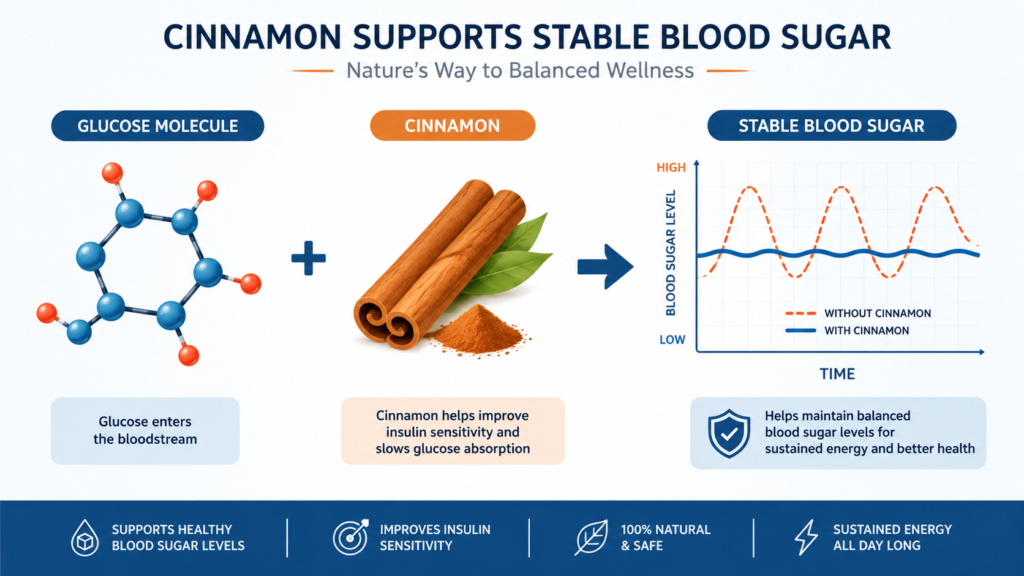
One of the most well-documented benefits of cinnamon is its impact on blood sugar regulation. Multiple studies have shown that cinnamon may help improve insulin sensitivity and lower fasting blood glucose levels in people with type 2 diabetes. This happens because cinnamon slows the breakdown of carbohydrates in the digestive tract and mimics insulin's effect on cells, helping glucose move into cells more efficiently.
This is one of the reasons the benefits of cinnamon are so frequently discussed in diabetes management circles. That said, cinnamon should never replace prescribed diabetes medication — think of it as a complementary addition to a well-rounded diet, not a cure. If you're managing blood sugar issues, talk to your doctor before relying on cinnamon supplements.
Benefits of Cinnamon for Heart Health
Heart disease remains one of the leading causes of death worldwide, and this is where the benefits of cinnamon become particularly interesting. Research suggests that cinnamon may help reduce LDL ("bad") cholesterol, triglycerides, and total cholesterol levels while maintaining or slightly increasing HDL ("good") cholesterol.
Cinnamon has also been linked to modest reductions in blood pressure, likely due to its antioxidant and anti-inflammatory properties. When you combine improved cholesterol profiles with better blood pressure regulation, you get a spice that genuinely supports cardiovascular wellness. This is exactly why so many nutritionists now recommend incorporating cinnamon into a heart-healthy diet alongside other whole foods.
Check out this heart-healthy cinnamon supplement bundle
Benefits of Cinnamon for Brain Function
Another lesser-known category of the benefits of cinnamon relates to cognitive health. Animal studies have shown that compounds in cinnamon may help protect neurons, reduce the buildup of harmful proteins associated with neuro-degenerative diseases, and improve motor function.
While human trials are still limited, early research is promising enough that cinnamon is now being studied as a potential complementary approach for conditions like Parkinson's and Alzheimer's disease. Some researchers believe the anti-inflammatory and antioxidant benefits of cinnamon play a direct role in protecting brain cells from oxidative stress, which is a major contributor to cognitive decline as we age.
Benefits of Cinnamon for Inflammation and Antioxidant Protection
If there's one thing that ties together nearly every benefit of cinnamon we've discussed so far, it's inflammation control. Chronic, low-grade inflammation is linked to almost every major disease — from heart disease to cancer to autoimmune disorders. Cinnamon is loaded with polyphenol antioxidants, which help neutralize free radicals and reduce oxidative stress in the body.
In fact, when researchers compare the antioxidant content of dozens of spices and herbs, cinnamon consistently ranks near the top. This anti-inflammatory power is one of the core benefits of cinnamon that makes it such a valuable addition to an anti-inflammatory diet, alongside foods like turmeric, ginger, and leafy greens.

Benefits of Cinnamon for Weight Management
Trying to lose a few pounds? The benefits of cinnamon extend into weight management too. Because cinnamon helps stabilize blood sugar, it can reduce the sharp spikes and crashes that often trigger cravings and overeating. Some research also suggests cinnamon may slightly boost metabolism and reduce fat accumulation by influencing how the body processes glucose and stores fat.
It's important to set realistic expectations here — cinnamon is not a magic weight-loss pill. But when paired with a balanced diet and regular exercise, the benefits of cinnamon for appetite control and blood sugar stability can genuinely support your weight management goals over time.
Try this cinnamon-infused metabolism support tea
Benefits of Cinnamon for Skin Health
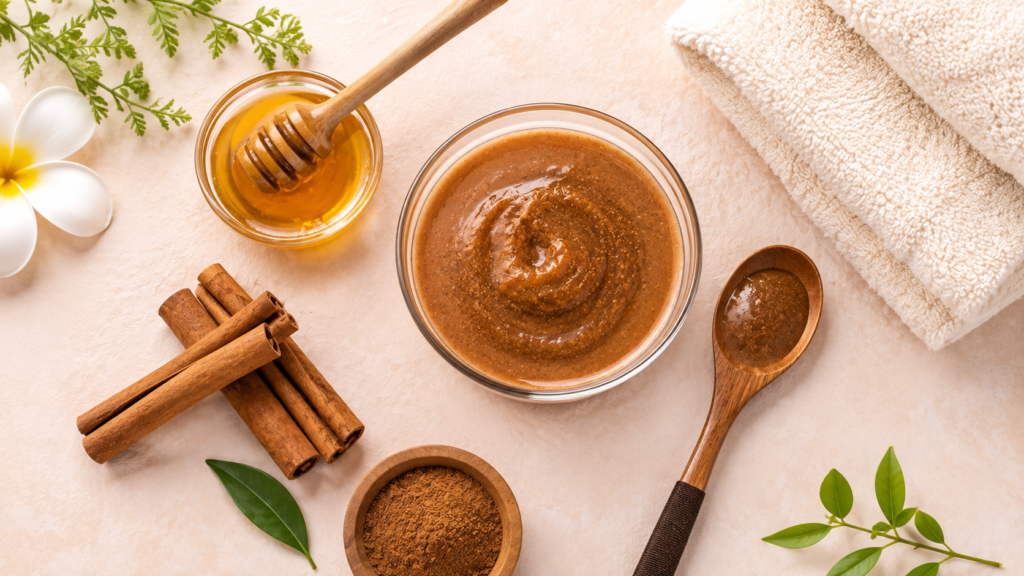
Beyond internal health, the benefits of cinnamon also show up in skincare. Thanks to its antibacterial and anti-inflammatory properties, cinnamon has traditionally been used in face masks and scrubs to help combat acne-causing bacteria and reduce redness. Some people use diluted cinnamon oil or cinnamon-honey masks to improve circulation and give skin a natural glow.
A word of caution: cinnamon is potent and can cause skin irritation or allergic reactions in some people, especially in its essential oil form. Always do a patch test before applying any cinnamon-based product directly to your skin, and consider consulting a dermatologist if you have sensitive skin.
Benefits of Cinnamon for Fighting Bacteria and Infections
Cinnamaldehyde, the primary active compound in cinnamon, has demonstrated strong antimicrobial and antifungal properties in laboratory studies. This is one of the more practical, everyday benefits of cinnamon — it has historically been used as a natural food preservative and to combat oral bacteria linked to bad breath and tooth decay.
Some studies even suggest cinnamon extract can inhibit the growth of certain fungi and bacteria that cause common infections. While it shouldn't replace medical treatment for serious infections, the antimicrobial benefits of cinnamon make it a smart, natural addition to your wellness toolkit.
Benefits of Cinnamon for Digestive Health
If you've ever felt bloated after a heavy meal, you might already know that cinnamon tea is a popular home remedy. The digestive benefits of cinnamon come from its ability to reduce gas, soothe an upset stomach, and stimulate healthy digestion by promoting the movement of food through the gut.
Cinnamon's antimicrobial properties may also help balance gut bacteria, which plays a huge role in overall digestive comfort. Many people swear by a warm cup of cinnamon tea after meals — and while more clinical research is needed, the anecdotal and traditional evidence supporting the digestive benefits of cinnamon is hard to ignore.
Get your daily dose with this premium cinnamon tea blend
How to Add Cinnamon to Your Daily Routine
Now that we've covered the major benefits of cinnamon, let's talk about practical ways to use it every day:
- Morning coffee or smoothie: Add half a teaspoon of Ceylon cinnamon to your coffee grounds or blend it into your morning smoothie.
- Oatmeal and yogurt: A sprinkle of cinnamon transforms plain oatmeal or yogurt into a flavorful, gut-friendly breakfast.
- Cinnamon tea: Steep a cinnamon stick in hot water for 10 minutes for a soothing, low-calorie beverage.
- Baking: Use it in muffins, breads, and healthy desserts to cut back on added sugar while boosting flavor.
- Savory dishes: Cinnamon works surprisingly well in curries, stews, and roasted vegetables.
Most experts recommend sticking to about half a teaspoon to one teaspoon of Ceylon cinnamon per day to enjoy the benefits of cinnamon safely, without overdoing it on coumarin intake.

Precautions and Side Effects
While the benefits of cinnamon are extensive, moderation matters. Cassia cinnamon contains higher levels of coumarin, which in large amounts can affect liver function over time. People with liver conditions, those on blood-thinning medication, or pregnant women should talk to a healthcare provider before adding cinnamon supplements to their routine.
Choosing Ceylon cinnamon over Cassia, and sticking to recommended daily amounts, is the safest way to enjoy the benefits of cinnamon without unwanted side effects.
See our full comparison guide: Ceylon vs Cassia cinnamon
Frequently Asked Questions About the Benefits of Cinnamon
Is Ceylon or Cassia cinnamon better for health benefits? Ceylon cinnamon is generally considered safer for regular, long-term consumption because it contains far less coumarin than Cassia cinnamon.
How much cinnamon should I take daily? Most health experts suggest around half a teaspoon to one teaspoon of Ceylon cinnamon per day is enough to experience the benefits of cinnamon without risking side effects.
Can cinnamon really help with diabetes? Cinnamon may help improve insulin sensitivity and lower fasting blood sugar, but it should complement — not replace — prescribed treatment.
Does cinnamon help with weight loss? It can support weight management by stabilizing blood sugar and reducing cravings, but it isn't a standalone weight-loss solution.
Final Thoughts
After twelve years of writing in this space, I can tell you that very few natural ingredients have as much genuine research and traditional backing behind them as cinnamon does. The benefits of cinnamon — from blood sugar control and heart health to brain protection, skin care, and digestion — make it one of the most versatile spices you can add to your daily routine.
As always, the key is moderation and quality. Choose Ceylon cinnamon when possible, keep your daily intake reasonable, and pair it with an overall healthy lifestyle. The benefits of cinnamon are real, but they work best as part of the bigger picture — not as a replacement for medical care or a balanced diet.
Ready to start? Grab our recommended cinnamon starter pack today



0 Comments